
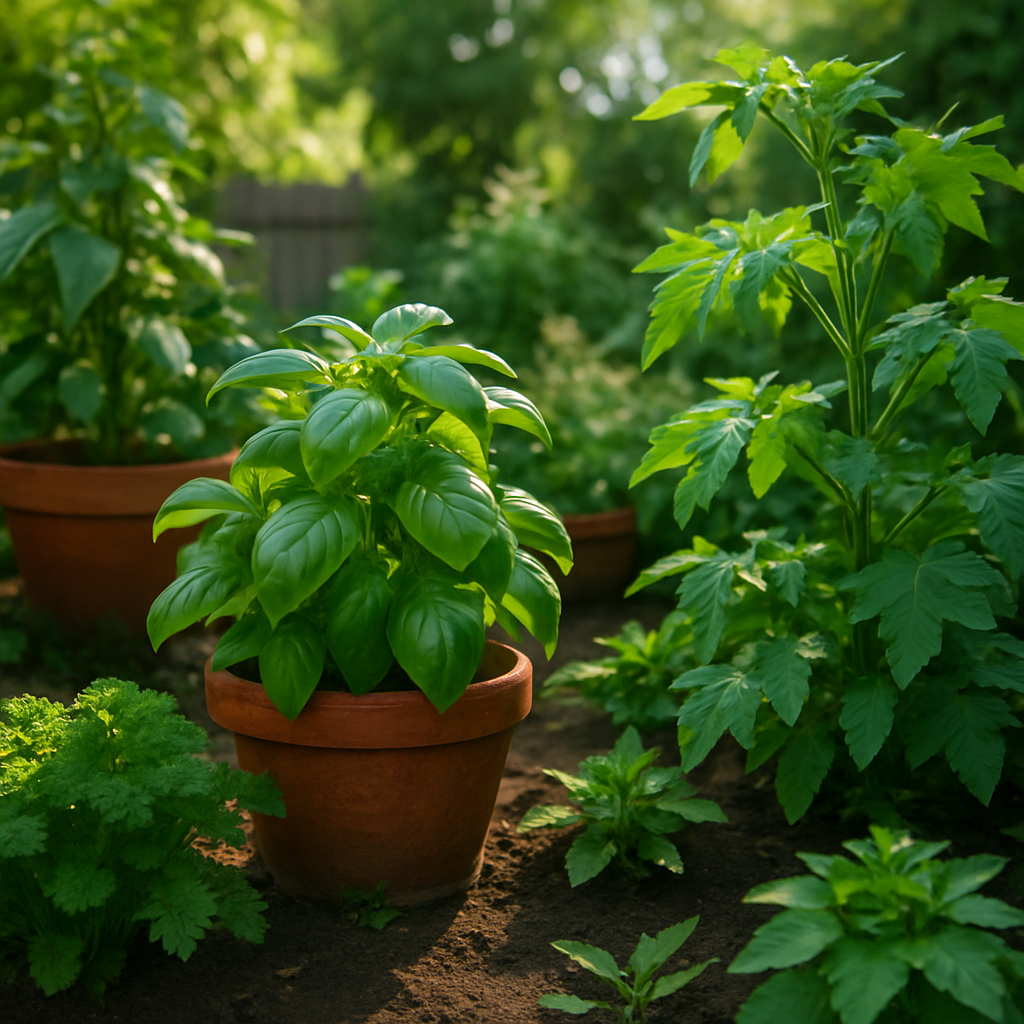
🌿 10 practical tips to keep your plants healthy and strong
1. Choose the location wisely
Each species requires a different amount of light. Avoid stress by placing each plant according to its needs (direct sun, partial shade, or filtered light). A good location reduces the risk of pests and fungal diseases.
2. Fair and regular watering
Water when the top 2–3 cmof soil are dry. Adjust the frequency according to the season and the type of pot. Use watering cans with a diffuser to avoid compacting the soil.
3. Use a good substrate
A well-aerated and drainingsubstratepromotes healthy roots. Add materials like perlite or coconut fiber if you need more aeration; avoid waterlogging, which predisposes plants to root fungi.
4. Light pruning and cleaning
Remove dead leaves and wilted flowers to prevent infection. The plant will redirect its energy to new growth and look cleaner.
5. Monitor for pests and diseases
Check the undersides of leaves and new shoots: aphids, thrips, spider mites, and whiteflies often appear there. Early detection allows for quick and environmentally friendly control.
If you need to identify and treat pests, visit our Pests – PROT-ECO Solutions collection.
6. Environmentally friendly and waste-free treatments
When faced with a problem, prioritize environmentally friendly treatmentsthat respect beneficial wildlife and are safe for people and pets.
- Oidioprot: ecological treatment against powdery mildew.
- Bio Neem and other natural insecticidesfor aphids, thrips and whiteflies.
- Treatments for mildew, botrytis and more.
7. Ventilation and humidity
Indoors, gentle air circulation reduces humidity on the leaves and hinders the development of fungi such as powdery mildewor downy mildew. Avoid wetting the foliage at night.
8. Biostimulation and natural fertilization
Biostimulants strengthen defensesand improve nutrient absorption, especially during transplants or growth peaks.
Explore our collection of organic fertilizers and additivesto keep plants thriving.
For root problems caused by soil fungi, consider a root protectant such as Phytoprot Max.
9. Hygiene of flowerpots and tools
Wash reused pots and disinfect pruning shears before pruning. Keep the environment clean and reduce the spread of pathogens and reinfections.
To clean honeydew and sooty mold after pests, an ecological cleaner such as potassium soap (Mobet)helps to restore the function of the leaves.
10. Observe, adjust, and be patient
Spend a few minutes each week observing changes in color, texture, and turgor. Adjust watering, light, or ventilation based on the plant's response. Consistency is key.
Take care of your plants in an ecological way with PROT-ECO
Discover eco-friendly, zero-waste treatmentsthat are safe for you and your environment:
Frequently Asked Questions
How often should I water my plants?
It depends on the species and the climate. In general, water when the top 2–3 cm of the substrate are dry.
How to prevent powdery mildew in an environmentally friendly way?
Improve ventilation, avoid excess humidity and apply ecological preventatives such as Oidioprot.
Can I combine foliar cleaners with natural insecticides?
Yes, they are usually compatible. Check the label, test it on a leaf, and respect the application intervals.
💡 PROT-ECO Tip: Water your succulents and cacti by immersion
A very effective method for keeping cacti and succulents healthy is immersion watering . Simply place the clay pot inside a bowl of water for a few minutes, until the potting mix absorbs the moisture evenly.
This way, the roots stay well hydrated without the risk of waterlogging or rot. ✨ Plus, the clay pot gets cleaned at the same time, keeping your plants healthier and looking their best.